 Proudly Canadian

Choosing between courier and postal service involves more than just price. For Canadian businesses shipping high-value, time-sensitive, or cross-border goods, differences in speed, insurance protection, claims processing, and customs handling can significantly impact profitability and customer satisfaction.
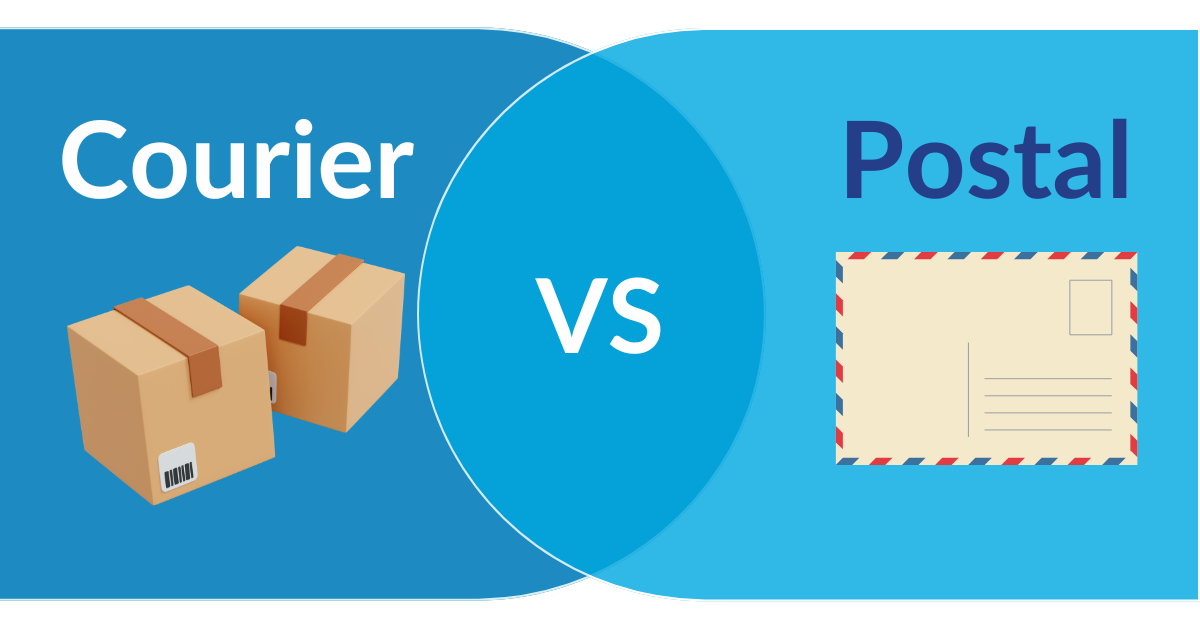
Every Canadian small to mid-sized business faces the same shipping dilemma: deciding between courier vs. postal service. While postal services might seem like the budget-friendly default, courier services often deliver better value—especially when you factor in speed, insurance protection, discounted courier rates, and customer support.
Understanding the nuances between courier vs. postal service options can mean the difference between satisfied customers and costly delivery failures. This guide will help you make informed shipping decisions that protect your products, your reputation, and your profit margins.
Don’t have an account? It’s easy and free to sign up!
Simply click here to get started
Quick Summary: Courier vs. Postal Service for Business
Choosing between courier vs. postal service for business is not just about price — it’s about delivery speed, tracking visibility, insurance protection, and operational efficiency. Here’s what Canadian businesses should consider:
- Speed expectations: Courier services often offer next-day to 3-day delivery options, while postal services typically follow standard multi-day windows.
- Insurance & liability: High-value shipments may benefit from declared-value options and structured claims workflows available through courier services.
- Tracking visibility: Detailed scan events and real-time tracking can reduce customer inquiries and improve transparency.
- Cross-border shipping: Courier workflows often provide stronger documentation support and more consistent U.S. tracking visibility.
- Cost efficiency: Postal services may suit lightweight, low-value shipments, while courier discounts can become competitive as volume, urgency, or shipment value increases.
Courier vs Canada Post for Small Businesses
Canadian businesses often compare courier services with Canada Post when evaluating how to ship customer orders. The real difference becomes clear when you look at speed, liability protection, tracking, and scalability.
| Feature | Postal Service (Canada Post) | Courier Services (via FlagShip) |
|---|---|---|
| Base cost – lightweight (3 lb and under) | Often lower base rates | Can be higher without discounts; business rates may be competitive with volume pricing |
| Base cost – moderate to heavy (+3 lb) | Moderate rates | Often competitive, especially as weight and urgency increase |
| Ideal for | Lightweight, non-urgent shipments | Time-sensitive, high-value, and/or heavier shipments |
| Delivery speed | Standard multi-day delivery windows | Next-day to 3-day options available (service dependent) |
| Tracking | Basic tracking (service dependent) | Detailed, real-time tracking with scan events |
| Insurance options | Limited standard coverage; add-ons available | Declared value and higher-value options available (business-account options may apply) |
| Claims process | Processing timelines vary by case | Structured digital submission with support; timelines vary by carrier and case |
| Customs clearance (U.S.) | Standard processing; handoff to partner postal networks | Documentation support and courier clearance workflows (service dependent) |
| Pickup service | Limited (service dependent) | Pickup available with many courier services (service dependent) |
| Remote area access | Strong coverage | May be limited and surcharges can apply |
| Customer support | General support channels | Business support and guidance through a centralized platform |
| Volume discounts for SMBs | Minimal | Business discounts available, including up to 70% off depending on shipment profile |
Don’t have an account? It’s easy and free to sign up!
Simply click here to get started
What is a Courier Service for Canadian Businesses?
Courier services are private shipping companies (Purolator, UPS, FedEx, Canpar, DHL and GLS) that operate their own delivery networks. They typically offer faster delivery options, real-time tracking, door-to-door pickup (service dependent), and business-friendly shipping workflows—ideal for time-sensitive, high-value, or heavier shipments.
What is a Postal Service?
Canada Post provides government-regulated delivery with standardized pricing and nationwide coverage, including many remote areas. Postal service is often a fit for low-value, lightweight, non-urgent items—especially when broad coverage matters.
Why This Decision Matters for Your Business
| Business impact | Why it matters |
|---|---|
| Customer satisfaction | Late deliveries or lost packages can damage trust and repeat purchase rates. |
| Operational efficiency | Time spent on tracking inquiries and insurance claims adds up quickly. |
| Financial risk | When a high-value product is lost or damaged, your shipping insurance coverage can determine whether you absorb the loss or recover it. |
| Cross-border capability | For U.S. shipping, customs clearance speed and documentation quality can make or break customer relationships. |
| Growth potential | As your SMB scales, you need volume discounts, automation tools, and dedicated support. |
Key Differences: Service Type & Liability
Understanding the fundamental differences between courier vs. postal service starts with how each operates—and what protection is available if something goes wrong.
Service Model
Postal services operate through standardized, high-volume networks designed for broad coverage. Courier services operate through private carrier networks and service commitments that are often better suited to time-sensitive business shipping.
Liability & Insurance Comparison
| Factor | Postal Service | Courier Services |
|---|---|---|
| Standard coverage | Limited standard coverage (service dependent) | Carrier liability varies by carrier and service |
| Higher-value protection | Optional add-ons available | Declared value options available; business-account options may apply |
| Claims experience | May involve more manual steps; timelines vary by case | Structured digital submission with support; timelines vary by carrier and case |
| Visibility | Tracking detail depends on service | Clear scan history across the shipment journey |
Pricing Breakdown: Beyond the Base Rate
The courier vs. postal service cost comparison requires looking beyond the advertised shipping rate.
| Pricing area | Postal Service | Courier Services |
|---|---|---|
| Base rate perception | Often lower for lightweight, non-urgent shipping | Often higher without discounts; competitive with volume pricing |
| Speed upgrades | Expedited options can become premium | Multiple time-definite service levels available |
| Insurance add-ons | Add-ons can increase total cost | Declared value options available; business-account options may apply |
| Common surcharges | Less surcharge complexity on standard services | Fuel / residential / remote area / dimensional weight may apply (service dependent) |
| Operational time cost | Drop-offs and follow-ups can add time | Pickup options and centralized workflows can reduce time |
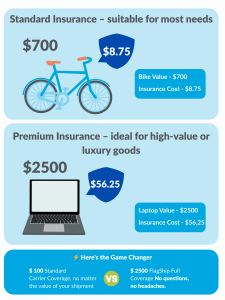
High-Value and Luxury Goods: Why Couriers Often Win
When shipping high-value items, the courier vs. postal service decision becomes clearer.
Courier services through FlagShip can support higher-value shipping needs with options such as:
- Declared value coverage options (including premium options available for business accounts)
- Protection designed to support higher-value categories (service and item restrictions may apply)
- Shipment visibility throughout the transit journey
Faster, More Reliable Claims Experience (Business Impact)
When a high-value customer order goes missing, your claims experience can directly affect your business—cash flow, customer satisfaction, and support workload.
| Claims factor | Postal Service | Courier Services |
|---|---|---|
| Submission | May involve more manual steps | Typically supports online submission and digital uploads |
| Documentation | Often more extensive requirements | Digital documentation commonly accepted |
| Timeline | Varies by case | Varies by carrier and case; supported through structured workflows |
| Support | General support channels | Guidance and support available through business shipping workflows |
Handling and Care Standards
Courier services commonly support:
- Signature options and delivery confirmation
- Delivery attempt documentation
- Secure handling processes
- Reduced ambiguity due to scan visibility
For high-value retailers, choosing the right shipping method helps protect both products and brand reputation.
The U.S. Border Factor: Critical for Canadian Businesses
For Canadian businesses shipping across the border, the courier vs. postal service choice can dramatically affect delivery predictability and customer experience.
Customs clearance differences
| Cross-border area | Courier Services | Postal Services |
|---|---|---|
| Documentation | Electronic documentation support (e.g., paperless commercial invoice where applicable) | Often transitions into partner postal workflows |
| Clearance | Courier clearance and brokerage workflows (service dependent) | Standard customs processing (service dependent) |
| Tracking visibility | More consistent cross-border tracking visibility (service dependent) | Tracking detail varies by service and handoff stage |
Use postal services when you’re shipping:
- Documents and lightweight items under $100 in value
- Non-urgent packages with longer delivery windows
- Deliveries to remote communities where broad coverage matters
- Low-volume shipments
- Items that do not require signature confirmation
Use courier services when you’re shipping:
- High-value items over $500
- Time-sensitive deliveries (next-day to 3-day expectations)
- Cross-border shipments to the United States
- Luxury goods, electronics, or fragile items
- Shipments requiring delivery confirmation
- Businesses shipping higher volumes where discounts apply
Hybrid strategy (recommended for most businesses)
- Use postal services for low-value, non-urgent domestic shipments
- Use courier services for high-value, urgent, or cross-border shipments
- Leverage FlagShip’s multi-carrier platform to compare rates in real time
- Apply rules by shipment value, urgency, and destination to choose the best service
Make the Right Choice with FlagShip
The courier vs. postal service decision doesn’t have to be complicated. FlagShip gives Canadian businesses access to discounted rates from Purolator, UPS, FedEx, Canpar, DHL, and GLS—all through one platform.
With a free FlagShip account, you can:
- Compare real-time courier quotes in seconds
- Access volume discounts (including up to 70% off depending on shipment profile)
- Generate labels and manage shipments in one place
- Schedule pickups (service dependent)
- Track shipments from one dashboard
- Access professional shipping support from Canadian shipping experts
Frequently Asked Questions: Courier vs Canada Post
- Is courier faster than Canada Post?
Courier services typically offer next-day and 2–3 business day delivery options within Canada. Canada Post standard services generally range from 3–10 business days depending on location and service level. - Is courier more expensive than Canada Post?
For lightweight, non-urgent shipments, Canada Post may offer lower base rates. However, for heavier, time-sensitive, or higher-value shipments, courier pricing can be competitive — especially when businesses access volume discounts. - Which is better for high-value shipments?
Courier services are often preferred for high-value shipments because they provide expanded declared-value coverage options, stronger tracking visibility, and structured claims support. - Is Canada Post better for remote locations?
Canada Post generally provides broader access to remote and northern communities. Courier services may apply remote-area surcharges depending on destination. - Is courier better for shipping to the United States?
Courier services often provide more streamlined cross-border handling, including integrated customs documentation and consistent tracking visibility throughout transit. - Can businesses use both courier and postal services?
Yes. Many Canadian businesses use a hybrid shipping strategy — postal services for low-risk domestic shipments and courier services for urgent, high-value, or cross-border deliveries. - When should a business switch from postal to courier shipping?
Businesses often consider switching to courier services when shipment values increase, delivery speed becomes critical, cross-border volume grows, or customer service expectations require stronger tracking and claims support.
Ready to optimize your shipping strategy? Create your free FlagShip business account. To speak with a Canadian shipping expert about your shipping needs call 1-866-320-8383 or send an email to support@flagshipcompany.com.
Stay connected with us for more shipping insights and updates: